
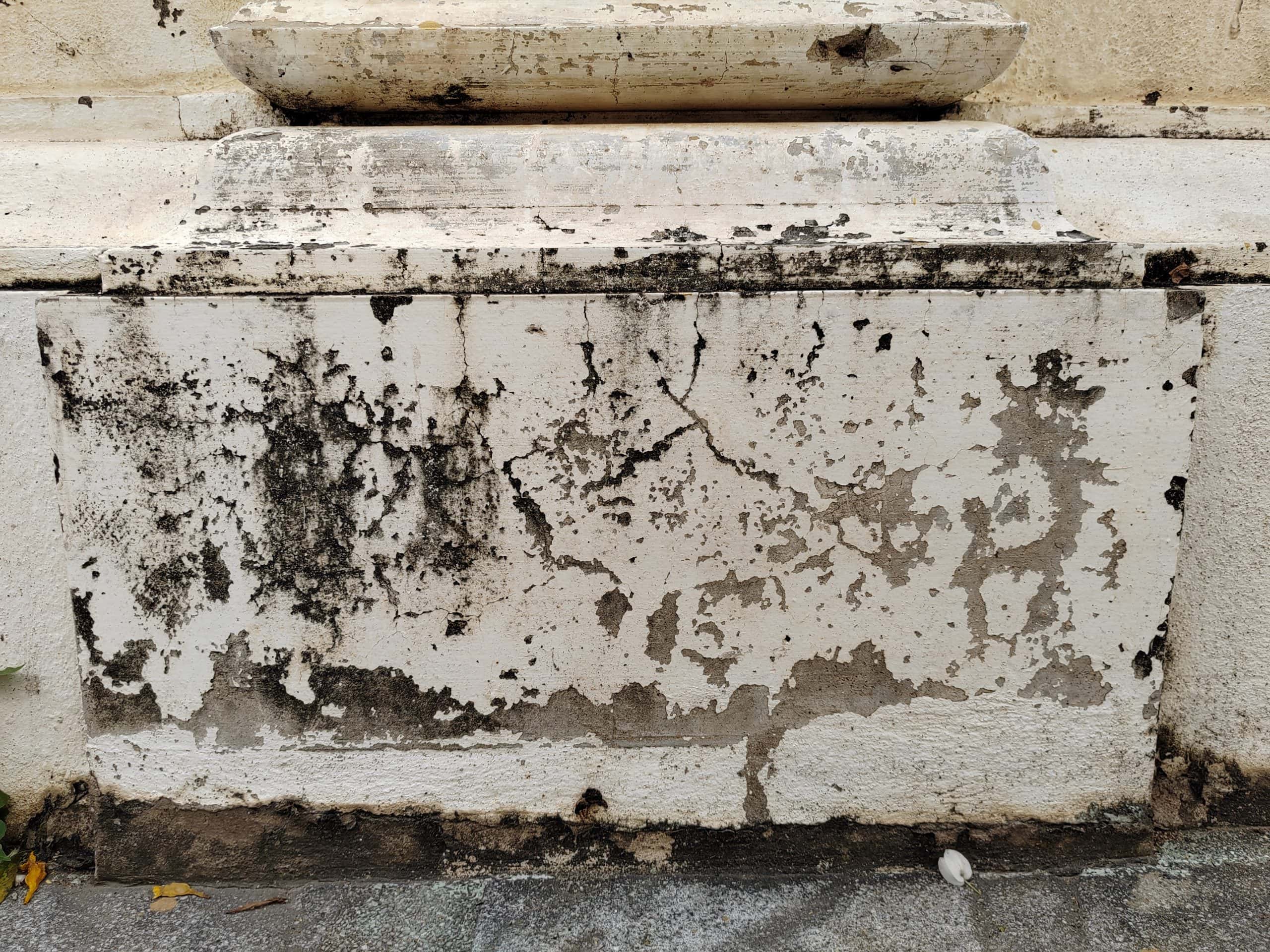
Why Paint Peels on North-Facing vs South-Facing Walls in Bellville
Paint peeling is rarely just old paint. In Bellville, the direction a wall faces can make a major difference to why exterior paint fails. A north-facing wall often receives stronger sunlight, heat and UV exposure, while a south-facing wall usually stays cooler, shaded and damp for longer.
This means two walls on the same property can peel for completely different reasons. One may fail because of heat and coating breakdown, while the other may fail because of trapped moisture, mould or poor drying conditions.
Why Wall Direction Matters in Bellville
Bellville homes are exposed to strong summer sun, winter rain, wind-driven moisture and daily temperature changes. These conditions affect each wall differently.
North-Facing Walls
North-facing walls usually get more direct sun. This can cause paint to dry too quickly during application, make coatings brittle, increase plaster movement and expose poor preparation faster.
South-Facing Walls
South-facing walls often remain cooler and damper. They are more likely to develop mildew, algae, trapped moisture and peeling caused by damp behind the paint film.
Main Causes of Peeling Paint
1. Damp and Trapped Moisture
Moisture is one of the most common causes of exterior paint failure. Water trapped inside plaster, brickwork or filler can push against the paint film, causing bubbling, blistering, flaking or peeling.
Common moisture sources include rising damp, leaking gutters, cracked plaster, failed flashing, poor drainage, leaking pipes, unsealed boundary walls and water entering from above.
2. Poor Surface Preparation
Paint will not bond properly if applied over chalky paint, dust, dirt, mildew, glossy surfaces, damp plaster, loose coatings or unprimed repairs. Poor preparation is one of the biggest reasons paint peels soon after repainting.
3. Failed or Low-Quality Paint
Using the wrong paint system can lead to early failure. Exterior masonry walls need suitable exterior coatings. Cheap paint, interior paint, over-thinned paint or incompatible paint layers can break down quickly, especially on hot north-facing walls.
4. Cracks and Plaster Movement
Hairline cracks allow moisture to enter behind the paint. Wider cracks may indicate movement or failed previous repairs. Once water gets in, peeling can spread beyond the visible crack.
5. Water Ingress from Above or Behind
Paint may peel because water is entering from parapets, rooflines, windows, balcony slabs, coping stones or unsealed wall tops. Repainting the wall face alone will not solve the problem if water ingress continues.
North-Facing vs South-Facing Peeling Paint Problems
Common Problems on North-Facing Walls
North-facing walls in Bellville often peel because of UV damage, heat, thermal expansion, fast drying during application and surface movement. Signs include dry flaking, brittle paint, fading, powdery surfaces and cracks that become worse in summer.
Common Problems on South-Facing Walls
South-facing walls often peel because they stay damp for longer. Signs include bubbling, blistering, soft plaster, dark staining, mould, algae and peeling near the base of walls, cracks, windows or shaded areas.
How to Identify the Real Cause
If paint bubbles before it flakes, damp may be the cause. If paint peels in sheets and the surface underneath looks dusty or chalky, poor preparation may be the problem. If peeling is widespread on a sunny wall, the paint system may have failed. If peeling follows cracks or returns after rain, water ingress should be investigated.
Professional Repair Process
A lasting repair starts with diagnosis, not paint. A professional painter should inspect the wall, identify moisture sources, repair cracks, remove loose paint, allow the wall to dry, prime correctly and apply the correct exterior coating system.
The process usually includes fixing leaks, repairing plaster, treating mould or algae, sealing chalky surfaces, priming repaired areas and repainting with a suitable exterior masonry paint.
Boundary Wall Peeling Paint Problems
Boundary walls in Bellville often fail faster because they are exposed on both sides. They may absorb water through the top, suffer from ground moisture, crack from movement or receive constant sprinkler spray.
The correct repair may include stripping loose paint, treating algae, repairing cracks, sealing the wall top, improving coping details, priming properly and repainting with a durable exterior system.
How to Prevent Peeling Paint
To prevent peeling, keep gutters and downpipes maintained, repair cracks early, avoid painting damp walls, use proper exterior paint, remove loose paint before repainting, inspect shaded walls for mildew and protect the tops of boundary walls from water entry.
When to Call a Professional Painter
Call a professional if peeling keeps returning, damp patches appear, mould is visible, cracks are spreading, plaster sounds hollow, boundary walls are failing from the top down or you are unsure whether the problem is paint failure or water ingress.
Conclusion
Peeling paint on north-facing and south-facing walls in Bellville is not always the same problem. North-facing walls usually suffer more from sun, heat and coating breakdown, while south-facing walls are more likely to fail because of damp, slow drying and trapped moisture.
The best solution is to identify the cause first, then repair the wall properly before repainting. When damp, cracks, poor preparation and water ingress are handled correctly, the new paint finish lasts longer and protects the property more effectively.
FAQs About Peeling Paint in Bellville
Why does paint peel more on one side of my house?
Because each side faces different weather conditions. North-facing walls often receive more sun and heat, while south-facing walls stay cooler and damper for longer.
Can I scrape off loose paint and repaint?
You can, but it may only be temporary. If the cause is damp, cracks or water ingress, the paint will probably peel again.
How do I know if damp is causing peeling paint?
Look for bubbling, dark stains, mould, mildew, musty smells, white salts or peeling that becomes worse after rain.
Do older Bellville homes peel more often?
Older homes may be more prone to peeling because of ageing plaster, old paint layers, previous poor repairs and hidden cracks.
Can new homes also have peeling paint?
Yes. New plaster may still contain moisture, and early settlement cracks can allow water to enter behind the paint.
Why do boundary walls peel badly?
Boundary walls are exposed to weather from both sides and often absorb water through unsealed tops or failed coping.
What is the best paint for peeling exterior walls?
There is no single best paint for every wall. The correct system depends on damp, cracks, chalking, plaster condition and exposure.