
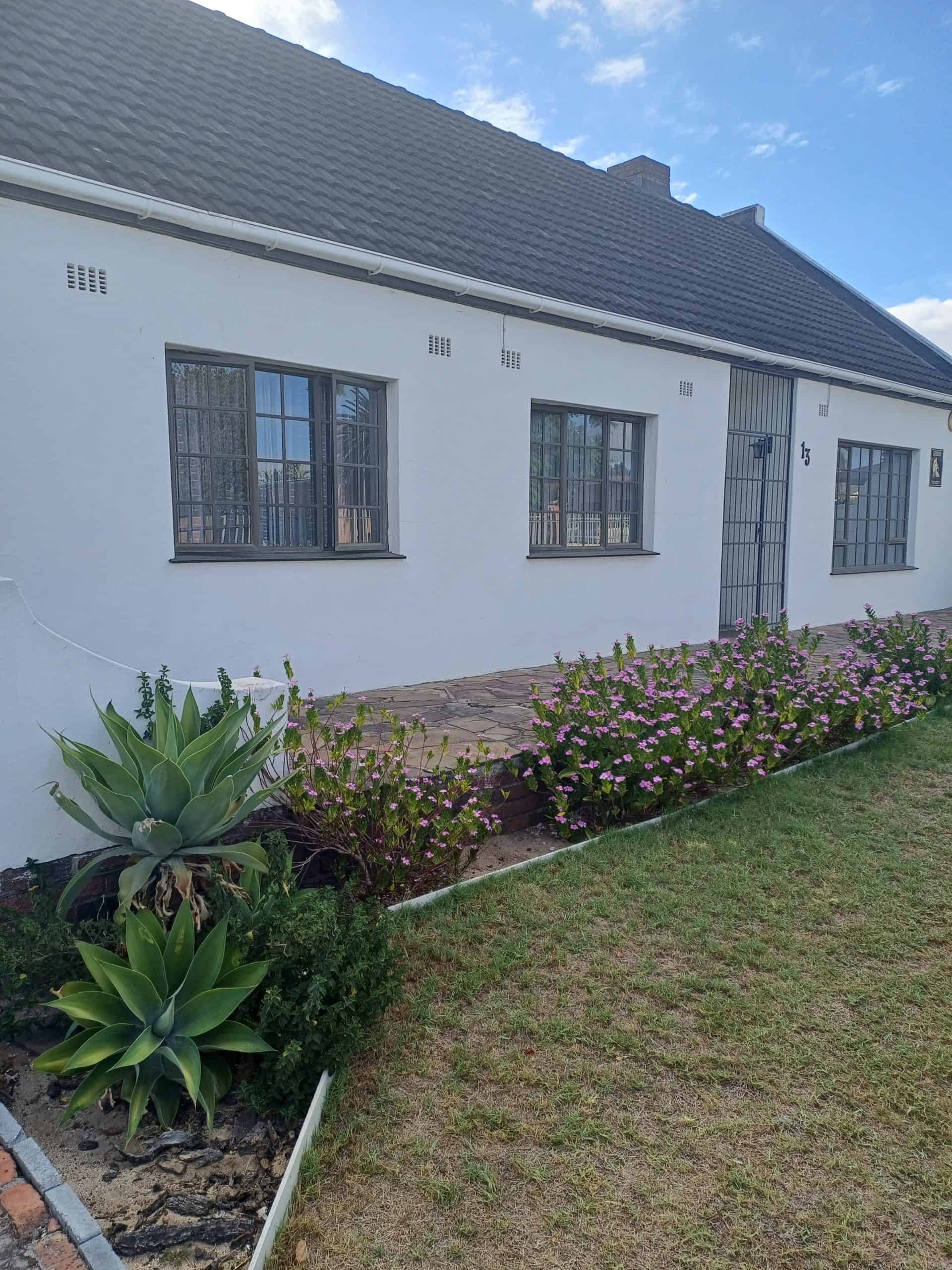
The Impact of Quality Paint on Your Simon’s Town Home’s Value
When homeowners think about increasing property value, they often focus on kitchens, bathrooms, landscaping or structural renovations. Those improvements certainly matter, but one of the most overlooked investments is the quality of the paintwork on the home itself. In a place like Simon’s Town, where homes are exposed to coastal air, strong sun, wind-driven rain and changing temperatures, paint is far more than a decorative finish. It is part of the home’s protection system, a major factor in first impressions and a visible sign of how well the property has been maintained.
Quality paint can have a real impact on the value of a Simon’s Town home because it affects appearance, maintenance, durability and buyer confidence. A house with well-maintained, high-quality paintwork tends to look cleaner, fresher and more cared for. A house with peeling, faded or chalking paint can raise questions about neglect, damp, hidden damage and future repair costs. Whether you plan to stay in your home for years or are thinking about selling in the future, the standard of your paintwork plays a bigger role in value than many homeowners realise.
Why Paint Quality Matters More in Simon’s Town
Simon’s Town is one of the most beautiful residential areas in the Cape Peninsula, but it is also a demanding environment for exterior finishes. Homes here face a combination of salt-laden coastal air, wind, winter rainfall, high UV exposure and moisture fluctuations. These conditions can wear down low-quality paint quickly. A coating that might last reasonably well in a milder inland suburb may fail far sooner when exposed to Simon’s Town’s coastal climate.
Salt in the air can speed up the breakdown of coatings and contribute to corrosion on metal surfaces. Strong sun can cause fading, chalking and brittleness. Wind-driven rain can exploit hairline cracks, failed sealants and weak paint films. Damp sea air can keep shaded walls cooler and wetter for longer. Over time, all of this places constant stress on the paint system and the surfaces beneath it.
That is why the conversation should not be about paint in general, but about quality paint used correctly. A good paint job on a Simon’s Town property is not only about choosing a nice colour. It is about selecting the right products for the climate, preparing the surface properly, repairing defects before painting and applying the paint system in a way that provides lasting protection.
Quality Paint and First Impressions
Property value is shaped partly by facts such as location, size and condition, but it is also influenced by perception. Buyers often make an initial judgement about a home within seconds of seeing it. The exterior paintwork is one of the first things they notice. If the walls look bright, clean and professionally finished, the property immediately feels more appealing. If the paint is faded, blistered, patchy or peeling, the opposite happens.
This matters because paint strongly influences kerb appeal. Kerb appeal is not a superficial extra. It affects whether a home feels well maintained, whether it looks worth viewing and how much confidence a buyer has in the rest of the property. In Simon’s Town, where homes often benefit from attractive views, heritage character and strong visual charm, exterior presentation carries even more weight.
A fresh, well-executed paint finish can help architectural features stand out, make windows and trim look sharper, and tie together walls, roofs, boundary walls and outdoor living areas. It can also make an older property feel newer and a modest property feel more polished. In contrast, visible paint failure can make a good home look tired and neglected, even if the underlying structure is still sound.
Paint as a Protective System, Not Just a Finish
One of the biggest mistakes homeowners make is thinking of paint only as decoration. In reality, paint is a protective layer that helps shield walls, timber, fascias, ceilings, trims and other surfaces from moisture, UV exposure and weathering. In Simon’s Town, that protective role is especially important.
When the right exterior coating system is used, it helps keep rain and airborne moisture from penetrating porous surfaces. It slows down weathering, protects plaster from premature breakdown, helps timber resist moisture damage and can reduce the rate at which surfaces age. This protection does not make a home waterproof on its own, but it is a critical part of the building envelope.
Low-quality paint or poor workmanship weakens that protection. Once paint starts cracking, peeling or losing adhesion, surfaces are more exposed to moisture and environmental damage. That can lead to bigger problems such as plaster deterioration, timber decay, rusting metalwork, damp patches, mould growth and more frequent repair work. Those problems cost money and can affect how buyers evaluate the condition of the property.
How Quality Paint Supports Long-Term Property Value
Quality paint contributes to home value in several connected ways. It improves appearance, protects the structure, reduces maintenance frequency and signals good upkeep. Together, these factors help preserve the home’s condition and make it more attractive to future buyers.
1. It Enhances Kerb Appeal
Fresh, high-quality paint gives a home a cared-for, well-maintained appearance. That alone can improve perceived value and make the property more marketable.
2. It Reduces Visible Defects
When surfaces are properly repaired and coated, the home looks cleaner and more uniform. Cracks, stains, patchiness and old weathering are less likely to dominate the appearance.
3. It Helps Prevent Costly Damage
Good paint slows the deterioration of exterior surfaces. By helping to protect plaster, masonry and timber, it can reduce the risk of early repair bills.
4. It Shows That the Home Has Been Maintained
Buyers often read the paint condition as a clue about the rest of the property. Well-maintained paint suggests that the homeowner has taken upkeep seriously.
5. It Can Reduce Repainting Frequency
Higher-quality paint systems usually last longer than cheap coatings when they are correctly applied. That means fewer repaint cycles and lower long-term maintenance costs.
The Coastal Challenge: Why Cheap Paint Can Cost More
It is understandable that some homeowners are tempted to cut costs by choosing cheaper paint. On paper, the saving may look worthwhile. In practice, though, cheap paint often becomes expensive in coastal areas because it fails sooner and leads to repeat labour, repeat preparation and more frequent maintenance.
Imagine repainting a Simon’s Town exterior with a budget coating that starts fading, chalking or peeling after a relatively short period. Instead of enjoying several years of protection, you may find yourself paying again for washing, scraping, sanding, crack repairs, priming and repainting much sooner than expected. The money saved on the first paint purchase can disappear quickly once repeat work is factored in.
By contrast, a better-quality system usually provides stronger adhesion, better colour retention, improved weather resistance and a more durable finish. It may cost more upfront, but it often offers better value over time because the home stays in good condition for longer and requires less corrective work.
Exterior Paint and Buyer Confidence
When a prospective buyer walks around a property, they are not only admiring the view or judging the floor plan. They are also scanning for warning signs. Exterior paint can influence that process more than many sellers realise.
If a buyer sees peeling paint, blistering, damp stains, cracking or widespread fading, they may start wondering what else is wrong. They may suspect water ingress, neglected maintenance, hidden damp problems, poor previous workmanship or future repair costs. Even if the issues are mostly cosmetic, they can still weaken the buyer’s confidence and reduce the emotional impact of the property.
In contrast, a home with well-maintained, good-quality paintwork tends to feel more secure and move-in ready. Buyers may assume that if the visible maintenance is strong, the invisible maintenance is likely better too. That does not guarantee a higher selling price on its own, but it can help a property compete better, reduce objections and support stronger offers.
Interior Paint Also Influences Value
Although exterior paint usually gets more attention in discussions about property value, interior paint matters too. Fresh interior paint can make a Simon’s Town home feel brighter, cleaner and more spacious. It helps rooms photograph better, creates a more welcoming atmosphere for viewings and can reduce the sense that a buyer will need to spend money immediately after moving in.
Neutral, well-chosen colours often appeal to a broader range of buyers. They help people imagine themselves living in the home rather than feeling distracted by dated or overly personalised colour schemes. Quality interior paint also tends to have better coverage, washability and durability, which is useful in family homes, rentals and high-traffic areas.
Scuffed walls, nicotine stains, patchy ceilings, peeling bathroom paint or obvious touch-up marks can make interiors feel older than they are. Repainting key spaces with quality products can make a meaningful difference to the overall presentation of the property.
The Importance of Surface Preparation
Even the best paint will not deliver lasting value if it is applied over unstable surfaces. Preparation is one of the biggest factors in whether a paint job lasts or fails. For homeowners who want their paint investment to support home value, preparation should never be treated as an optional extra.
Proper preparation may include washing the surface, removing loose or flaking paint, treating mould or algae, sanding glossy areas, repairing cracks, filling damaged plaster, replacing failed sealants and applying the correct primer or sealer. On coastal properties, it may also involve dealing with salt contamination, corrosion on metal surfaces or water ingress problems before repainting starts.
Skipping preparation often creates a false economy. The home may look good for a short time, but the coating is more likely to fail early if the substrate underneath is unstable. A buyer may not know exactly why the paint is failing, but they will notice the failure itself, and that affects how the property is perceived.
Common Paint Problems That Can Hurt Value
There are several paint-related problems that can undermine the look and condition of a Simon’s Town property. Each one can reduce kerb appeal and create concerns about maintenance.
Peeling and Flaking Paint
Peeling suggests failed adhesion, moisture issues or poor preparation. It is one of the most obvious signs that a home needs attention.
Chalking and Fading
Chalking leaves a powdery residue and gives walls a tired, neglected look. Fading can make a home look older and less cared for.
Bubbling and Blistering
This often points to trapped moisture, heat problems or painting over damp surfaces. Buyers may interpret it as a sign of deeper defects.
Cracks Showing Through Paint
Hairline cracks may be minor, but visible cracking can still make the home feel poorly maintained. Wider cracks may indicate movement or water entry points.
Mould, Damp Stains and Water Marks
These do more than damage the appearance. They raise questions about leaks, ventilation, waterproofing and the overall health of the building envelope.
Colour Choice and Perceived Value
Quality paint is not only about durability. Colour choice also affects how valuable a property feels. The right palette can modernise a home, highlight architectural details and create a more cohesive look between walls, trim, roofing and outdoor areas.
In Simon’s Town, colours often work best when they complement the coastal setting and the style of the home. Soft neutrals, crisp whites, muted coastal tones and timeless trim colours can help a property feel elegant and well considered. Loud or highly unusual colours may suit a particular homeowner’s taste, but they can narrow buyer appeal if resale is a priority.
This does not mean every home should be painted the same colour. It means the paint scheme should support the property rather than fight with it. A quality finish in a suitable palette often adds more value than an expensive paint job in colours that clash with the architecture or surroundings.
Boundary Walls, Gates and Exterior Details Matter Too
When people think about repainting, they often focus only on the main house. But buyers see the whole property. Boundary walls, gates, trims, fascias, garage doors, pergolas, balconies and outbuildings all contribute to the impression of maintenance and value.
A beautifully painted home can still feel neglected if the boundary wall is flaking, the gate is rusting, the trim is peeling or the garage door looks faded. In Simon’s Town, these details are often exposed to harsh weather and can deteriorate quickly if not maintained. Repainting them with the right products helps create a more complete, cared-for appearance and can strengthen the impact of the main house paintwork.
When Repainting Makes Financial Sense
Homeowners sometimes delay repainting because the damage still feels “mostly cosmetic.” The problem is that cosmetic issues often become building issues if left too long. Small cracks can admit moisture. Failing paint can expose plaster or timber. Boundary wall tops can absorb water. Trim can start rotting. What might have been a manageable repaint can turn into a more expensive repair project.
Repainting makes financial sense when it is done before widespread failure develops. If your Simon’s Town home is showing fading, chalking, peeling, bubbling, recurring damp marks or obvious weathering, it is worth assessing the paint system sooner rather than later. A timely repaint with proper preparation can help preserve the home’s condition and reduce future repair costs.
How to Get the Best Value from a Paint Project
If the goal is to protect or improve home value, a paint project should be approached strategically rather than as a quick cosmetic fix.
Choose Products Suitable for Coastal Conditions
Use quality paints, primers and sealers designed for exterior masonry, timber or metal in exposed environments.
Fix Underlying Problems First
Address cracks, damp, water ingress, failed sealants and damaged plaster before applying new paint.
Do Proper Preparation
Remove unstable paint, clean surfaces thoroughly and repair defects correctly.
Use a Consistent Colour Strategy
Choose colours that suit the architecture, surrounding environment and likely buyer expectations.
Think Beyond the Main Walls
Include trim, fascias, boundary walls, gates and exterior details where needed so the whole property feels maintained.
Use Experienced Professionals
In a coastal area, workmanship matters. The right contractor can help select the correct system and apply it properly.
Conclusion
The impact of quality paint on your Simon’s Town home’s value is far greater than many homeowners expect. Good paintwork improves kerb appeal, supports buyer confidence, protects the building from harsh coastal conditions and helps reduce the long-term cost of maintenance. Poor-quality paint or neglected surfaces do the opposite: they weaken first impressions, expose the home to damage and create doubts about how well the property has been cared for.
In Simon’s Town, where homes face salt air, sun, wind and moisture, paint should be seen as both a visual asset and a protective investment. If you choose the right products, prepare properly and maintain the home before paint failure becomes severe, you do more than improve appearance. You help protect the property’s condition, preserve its value and make it more attractive to future buyers. In that sense, quality paint is not just a finishing touch. It is part of what keeps a Simon’s Town home looking valuable and staying valuable.