
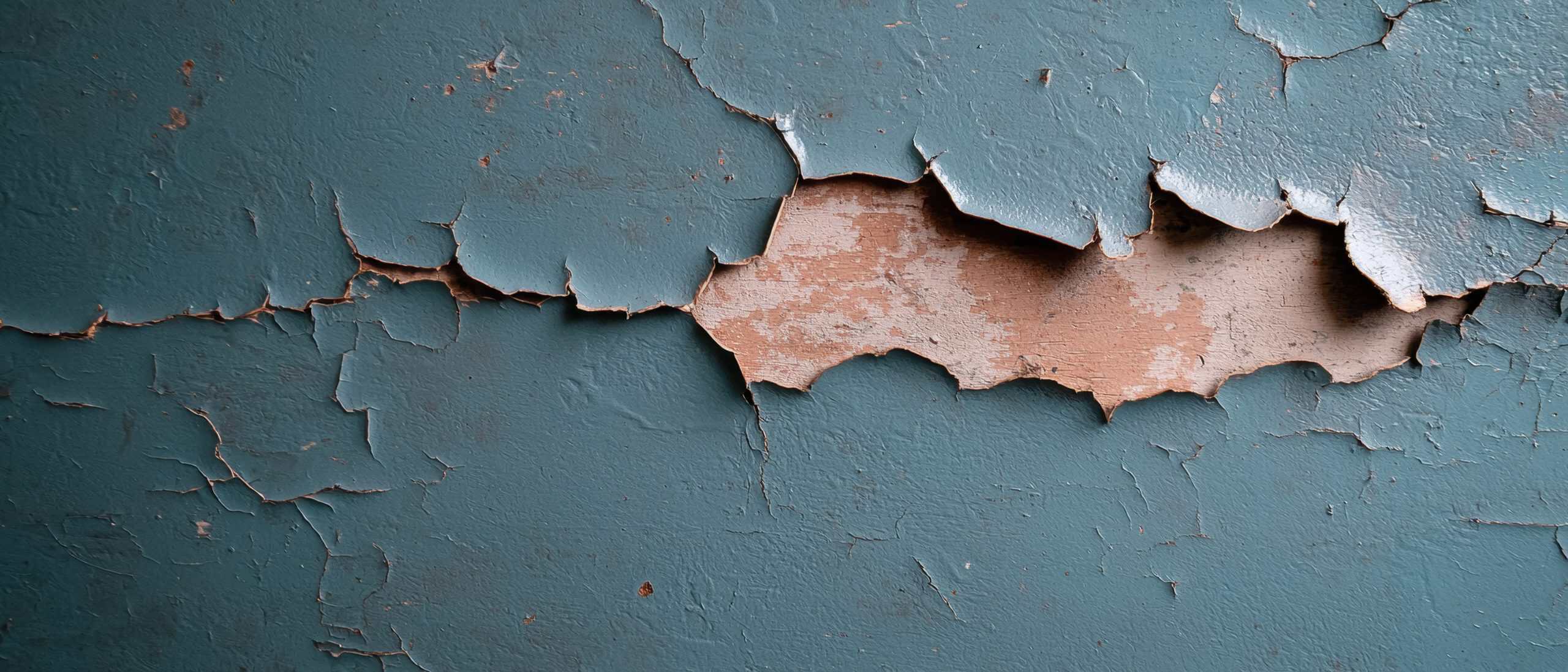
Damp and Peeling Paint on Exterior Walls in Durbanville
Damp and peeling paint on exterior walls is one of the most common problems homeowners face in Durbanville and the surrounding Northern Suburbs. At first, peeling paint may look like a small cosmetic issue, but it is often a warning sign that moisture, poor surface preparation, cracking, failed waterproofing or unsuitable paint products are affecting the wall underneath.
Exterior paint is more than colour. It protects plaster, masonry, timber, trims and exterior surfaces from sun, rain, wind, dust, moisture and temperature changes. When that protective coating starts to fail, the wall becomes more vulnerable to water penetration, plaster damage, mould, efflorescence and further coating failure.
Durbanville homes are exposed to a different climate from the Cape Peninsula coastline. While Durbanville is not directly on the beachfront, properties still deal with strong summer heat, UV exposure, winter rain, seasonal wind, clay soil movement, irrigation overspray, boundary wall damp and moisture trapped behind old paint systems. These conditions can cause exterior paint to bubble, crack, flake or peel long before the homeowner expected repainting to be necessary.
This guide from Durbanville Painters explains the main causes of damp and peeling paint on exterior walls, how the problem should be treated and how to prevent the same failure from returning.
Why Exterior Paint Peels
Paint peels when it loses adhesion to the surface beneath it. This can happen for several reasons, but moisture is one of the most common. If water enters the wall through cracks, leaking gutters, poor waterproofing, roof problems, failed sealant or rising damp, it can become trapped behind the paint film. As the moisture tries to escape, pressure builds and the paint starts to bubble, blister or lift.
Poor preparation is another major cause. Paint will not bond properly to dirty, dusty, chalky, damp or unstable surfaces. If loose paint was not removed, cracks were not repaired, or the wrong primer was used, the new coating may fail early.
Peeling paint can also be caused by applying paint in unsuitable weather, using low-quality products, painting over glossy surfaces without sanding, ignoring mould or using a paint system that is not suitable for the wall condition.
Durbanville Weather and Paint Failure
Durbanville has hot, dry summers and wet winter conditions. These seasonal changes place stress on exterior paint. During summer, strong UV exposure can cause paint to fade, chalk and lose flexibility. During winter, rain can enter cracks, joints and weak plaster areas. Over time, this cycle can cause cracking, blistering and peeling.
North-facing and west-facing walls often receive the harshest sun exposure. These walls may fade faster and become chalky sooner than shaded walls. Dark exterior colours may also absorb more heat, which can increase expansion and contraction of the paint film.
In winter, walls that already have small cracks or weak coatings are more likely to absorb water. If gutters overflow, downpipes leak or water runs down the same section of wall repeatedly, paint failure can develop quickly.
Damp Problems Behind Peeling Paint
Damp is often the hidden cause behind exterior paint failure. A wall can look dry on the surface while still holding moisture inside the plaster. Painting over damp may temporarily hide the problem, but the paint is likely to bubble or peel again.
Common causes of damp on Durbanville exterior walls include rising damp, poor drainage, irrigation spraying against walls, cracked plaster, leaking gutters, leaking downpipes, failed waterproofing, roof leaks, parapet problems and water collecting at the base of boundary walls.
Before repainting, the source of moisture must be identified and repaired. If the cause is not fixed, even premium paint may fail. Professional painters should inspect the wall carefully and advise whether moisture testing, waterproofing repairs, crack repairs or plaster repairs are needed before painting begins.
Boundary Walls Often Fail First
Boundary walls are one of the most common areas for damp and peeling paint in Durbanville. These walls are exposed to weather on both sides and often sit close to soil, paving, garden beds or irrigation. If water is absorbed from the ground or trapped inside the wall, paint can bubble and peel repeatedly.
Boundary walls may also lack proper damp-proofing or waterproofing. In many cases, repainting alone is not enough. The wall may need repairs, moisture control, improved drainage, waterproof coating systems or breathable products depending on the problem.
Homeowners should be realistic about boundary walls. They often need more frequent maintenance than the main house walls because they are exposed to harsher moisture conditions.
Cracks Allow Water Into the Wall
Cracks in exterior plaster should never be ignored. Even small hairline cracks can allow winter rain to enter the wall. Once moisture gets behind the paint, the coating may start to blister, peel or stain.
Durbanville properties can experience movement from temperature changes, settling, older plaster, clay soil conditions and structural movement. Some cracks are minor and can be repaired with suitable flexible fillers. Wider or recurring cracks may need more careful investigation before repainting.
A professional repair should not simply cover the crack. The crack should be cleaned, prepared, filled with the correct product and allowed to dry properly before priming and painting.
Chalking and Poor Adhesion
Chalking happens when the paint surface breaks down into a powdery residue. This is often caused by UV exposure and ageing paint. If you rub your hand over the wall and white powder comes off, the surface is chalky.
Painting directly over chalky paint can lead to poor adhesion. The new coating may stick to the powder rather than the wall, causing early failure. Chalking surfaces should be cleaned properly and may need a suitable bonding primer before repainting.
This is especially important on sun-exposed Durbanville walls, where UV breakdown can be severe during hot summer months.
Mould, Algae and Staining
Mould and algae usually appear in shaded, damp or poorly ventilated areas. In Durbanville, this can happen on walls near plants, under eaves, close to garden beds, behind trees, near leaking gutters or on walls that receive little direct sun during winter.
Painting over mould does not solve the problem. The affected area should be cleaned and treated properly before repainting. If the wall remains damp, the mould may return through the new coating.
Reducing plant contact, improving airflow, repairing leaks and keeping walls dry can help prevent recurring mould and algae growth.
Why Surface Preparation Is Essential
Successful repainting starts with preparation. Damp and peeling paint cannot be fixed by simply applying another coat of paint over the problem. The failed coating must be removed, the surface must be cleaned, defects must be repaired and the correct primer must be applied before the final coats.
Typical preparation may include scraping loose paint, sanding edges, washing the wall, treating mould, repairing cracks, fixing plaster defects, checking for damp, priming bare areas and choosing a paint system suited to the wall condition.
If preparation is skipped, the new paint may fail in the same areas. Proper preparation is the difference between a short-term cosmetic repaint and a durable exterior finish.
Choosing the Right Paint System
The best paint system depends on the wall condition. New plaster, old painted walls, chalky surfaces, damp-affected areas, repaired cracks, timber and metalwork may all need different products.
For exterior walls in Durbanville, quality acrylic exterior paints are often suitable when the surface is sound and correctly prepared. Problem areas may need bonding primers, plaster primers, stain-blocking products, waterproof coatings or flexible systems. Boundary walls and damp-prone surfaces may need special treatment before repainting.
Choosing the cheapest paint is rarely the best long-term option. In Durbanville’s sun and winter rain, a better-quality coating system can last longer, fade less and protect the wall more effectively.
How to Prevent Damp and Peeling Paint
Preventing paint failure starts with regular inspections. Check your exterior walls at least once or twice a year, especially before and after winter. Look for cracks, peeling, bubbling, chalking, mould, damp marks, blocked gutters and areas where water runs down the wall.
Keep gutters and downpipes clean. Repair roof leaks quickly. Adjust sprinklers so they do not spray directly against walls. Trim plants away from exterior surfaces. Repair cracks before winter rain enters. Wash exterior walls gently to remove dust and residue. Repaint before the coating has completely failed.
Preventative maintenance is almost always more affordable than waiting until the paint has peeled badly and the plaster underneath needs extensive repair.
When Should You Call a Professional Painter?
You should call a professional painter when paint is peeling in large areas, when damp keeps returning, when plaster is soft or powdery, when mould is present, when cracks are widening, or when boundary walls are failing repeatedly.
A professional painter can assess whether the problem is surface-related or moisture-related. They can also advise on preparation, primers, waterproofing requirements and the correct exterior coating system.
For homeowners, body corporates, landlords and commercial property owners, professional assessment helps avoid wasting money on paint that will not last because the underlying cause was not repaired.
Final Thoughts
Damp and peeling paint on exterior walls should not be ignored. It is often a sign that moisture, poor preparation, cracking, chalking, failed waterproofing or unsuitable paint products are affecting the surface. In Durbanville, exterior walls must handle strong sun, winter rain, wind, garden moisture and seasonal temperature changes.
The correct solution is to identify the cause, repair the wall, prepare the surface properly and apply the right paint system. Repainting without fixing damp or adhesion problems is unlikely to last.
If your home, boundary wall, rental property, office or commercial building has damp, bubbling or peeling paint, contact Durbanville Painters for a professional inspection, practical advice and a free painting consultation.
Frequently Asked Questions
What causes exterior paint to peel in Durbanville?
Exterior paint can peel because of damp, poor surface preparation, cracks, chalky old paint, moisture behind the coating, leaking gutters, irrigation overspray, rising damp, incorrect primer or unsuitable paint products.
Can I paint over peeling paint?
No. Peeling paint should be removed before repainting. If new paint is applied over loose or failing paint, the old coating can continue to lift and cause the new paint to fail as well.
Why does paint bubble on exterior walls?
Paint often bubbles when moisture is trapped behind the coating. As the moisture tries to escape, it pushes against the paint film and creates blisters. This can happen because of damp walls, cracks, leaks or painting before the surface was dry.
Can damp walls be painted?
Damp walls should not be painted until the moisture source has been identified and repaired. Painting over damp may temporarily hide the problem, but the paint is likely to bubble, peel or stain again.
Why do boundary walls peel more often?
Boundary walls often peel more often because they are exposed to moisture from both sides, soil contact, irrigation, splashback and weather. They may also lack proper damp-proofing or waterproofing, which makes paint failure more likely.
How can I prevent exterior paint from peeling?
You can prevent peeling by repairing cracks early, keeping gutters clear, stopping water from running down walls, adjusting sprinklers, treating mould, washing exterior surfaces, using the correct primer and repainting before the old coating fails badly.
Is primer necessary when repainting peeling walls?
Primer is often necessary after peeling paint has been removed, especially on bare plaster, chalky surfaces, repaired areas, damp-stained areas and walls with poor adhesion. The correct primer helps the new paint bond properly.
How often should exterior walls be inspected?
Exterior walls should be inspected at least once or twice a year, especially before and after winter. Early inspections help identify cracks, damp, peeling, blocked gutters and other problems before they become more expensive.
Can Durbanville Painters fix damp and peeling paint?
Yes. Durbanville Painters can inspect damp and peeling paint, identify likely causes, prepare the surface correctly and recommend the right exterior paint system for Durbanville homes and commercial properties.