
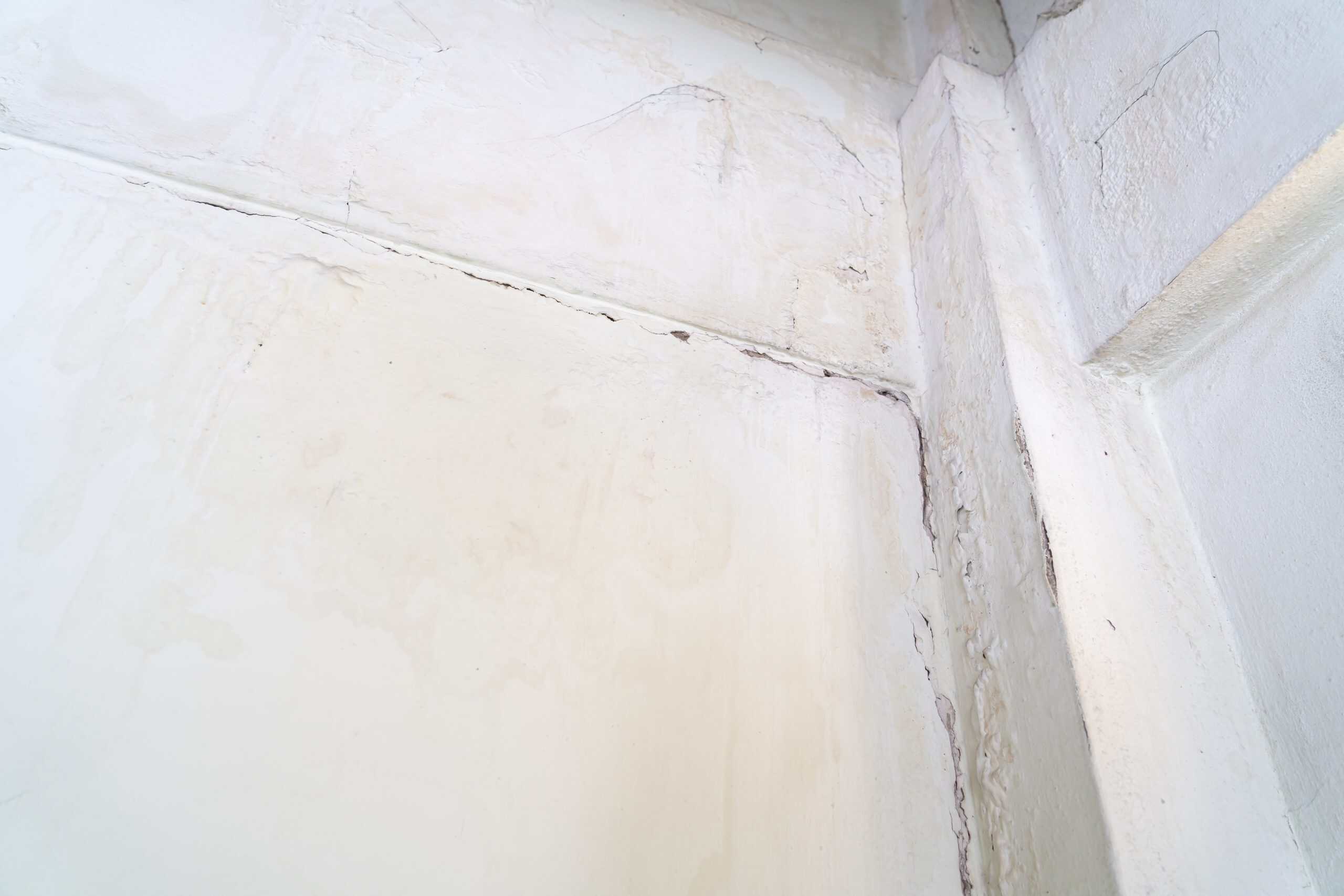
Spotting Water Ingress Early Before It Ruins Your Paintwork in Durbanville
Water ingress is one of the most common reasons paint fails on homes in Durbanville. It often starts quietly with a small stain, bubbling paint, a musty smell, or flaking near a boundary wall after winter rain. By the time paint begins peeling badly, the real problem may already have been developing behind the surface for weeks or even months.
For homeowners, early detection is important. Paint does more than improve the look of a property. It helps protect plaster, masonry, timber, and exterior surfaces from weather damage. Once water enters through cracks, roof details, window seals, parapets, or boundary walls, the coating can no longer protect the surface properly.
Why Water Ingress Is Common in Durbanville
Durbanville homes are exposed to winter rain, wind-driven moisture, coastal air, and strong summer sun. These conditions place pressure on exterior paintwork and can expose weaknesses in roofs, flashings, cracks, window seals, and waterproofing systems.
Older homes may have ageing plaster, worn sealants, previous patch repairs, and hidden damp problems. Newer homes can also experience water ingress if movement cracks develop, drainage is poor, or surfaces were painted before they were fully dry.
Early Signs of Water Ingress
Paint usually gives warning signs before major failure happens. Homeowners should look for discolouration, yellow or brown stains, bubbling paint, blistering, hairline cracks, chalky plaster, musty odours, mould growth, white powdery deposits, and peeling concentrated below windows, parapets, rooflines, or wall tops.
The most important thing to remember is that paint failure is often a symptom, not the source of the problem. Repainting without fixing the moisture source usually leads to the same damage returning.
Main Causes of Water Ingress
Roof Leaks and Failed Flashings
Roof leaks can travel through ceilings and walls before becoming visible. Damaged roof coverings, loose ridge details, failed flashings, blocked valleys, and poor sealing around roof penetrations can all cause stains and peeling paint.
Cracked Plaster and Masonry
Small exterior cracks can allow rainwater into the wall system, especially during Durbanville’s wet and windy winter months. Parapets, gable ends, boundary walls, and exposed elevations are common problem areas.
Failed Window and Door Seals
Window frames and door openings are frequent weak points. If sealant shrinks, splits, or pulls away, water can enter around the frame and damage nearby plaster and paint.
Parapets and Boundary Walls
Flat-topped walls and parapets often absorb water from above. Once moisture enters, it moves downward into plaster and paint layers, causing repeated peeling and staining.
Poor Drainage and Rising Damp
Water can also enter from ground level. High soil levels, paving that slopes toward the house, leaking irrigation, blocked drainage, and failed damp-proofing can all cause lower-wall paint failure.
Plumbing Leaks
Not all damp damage comes from rain. Leaking pipes, failed shower waterproofing, concealed downpipes, or slow leaks inside walls can also cause bubbling, staining, and peeling paint.
How to Tell If It Is Water Ingress
The issue is likely water ingress if the damage worsens after rain, paint bubbles before peeling, stains spread over time, mould appears, the wall smells damp, or the same area keeps failing after repainting.
However, peeling paint can also be caused by poor preparation, weak coatings, chalky surfaces, or painting over unstable substrates. In many cases, the problem is a combination of moisture, poor preparation, and an ageing paint system.
Professional Repair Process
A proper repair should never begin with repainting only. The first step is to find the source of moisture. This may include checking rooflines, parapets, flashings, gutters, window seals, cracks, wall tops, drainage, and plumbing.
Once the source is found, the water ingress must be stopped. This may involve sealing cracks, repairing flashings, replacing failed sealant, improving drainage, waterproofing parapets, fixing gutters, or correcting runoff around the property.
After that, all loose paint and damaged material must be removed. The wall should be cleaned, allowed to dry properly, repaired with suitable fillers or plaster, primed with the correct sealer, and then repainted with a quality exterior coating system.
Prevention Tips for Durbanville Homeowners
Inspect your home before winter, seal small cracks early, maintain window and door sealants, keep gutters and drainage clear, protect boundary wall tops, trim vegetation away from walls, and never paint over damp patches without fixing the cause.
Using the right exterior paint system is important, but only after the moisture problem has been corrected. Paint can protect a sound surface, but it cannot solve active water ingress on its own.
When to Call a Professional Painter
Call a professional if paint keeps peeling in the same area, bubbling or staining appears, damage worsens after rain, cracks keep reopening, ceiling stains develop, or boundary walls peel from the top down.
An experienced painter can help identify whether the issue is cosmetic paint failure, poor preparation, water ingress, or a deeper waterproofing problem. Correct diagnosis is what helps the repair last.
Conclusion
Spotting water ingress early can prevent a small repair from becoming a costly repainting and waterproofing project. In Durbanville, where homes face winter rain, coastal moisture, strong sun, and seasonal movement, paint failure is often the first visible warning sign.
By treating bubbling, staining, and peeling as early warnings rather than cosmetic problems, homeowners can protect their paintwork, plaster, and property value for longer.
FAQs About Water Ingress and Paintwork in Durbanville
Can water ingress ruin new paint?
Yes. If moisture gets behind the coating, even new paint can bubble, peel, or lose adhesion.
Is peeling paint always caused by water ingress?
No. Peeling can also be caused by poor preparation, low-quality paint, chalky surfaces, or painting over damp substrates.
Why does damage appear below the real leak?
Water can travel through roof spaces, plaster, masonry, and wall joints before showing as a stain or peeling paint.
Are boundary walls vulnerable to water ingress?
Yes. Boundary walls are exposed to rain on both sides and often absorb water through cracked plaster or unprotected tops.
Can I paint over a damp patch if it looks dry?
No. The wall may still contain moisture. If the cause is not repaired first, the new paint will usually fail again.
What should I do when paint starts bubbling?
Check whether the area is near a crack, window, roofline, parapet, or plumbing point, and note whether it worsens after rain.