
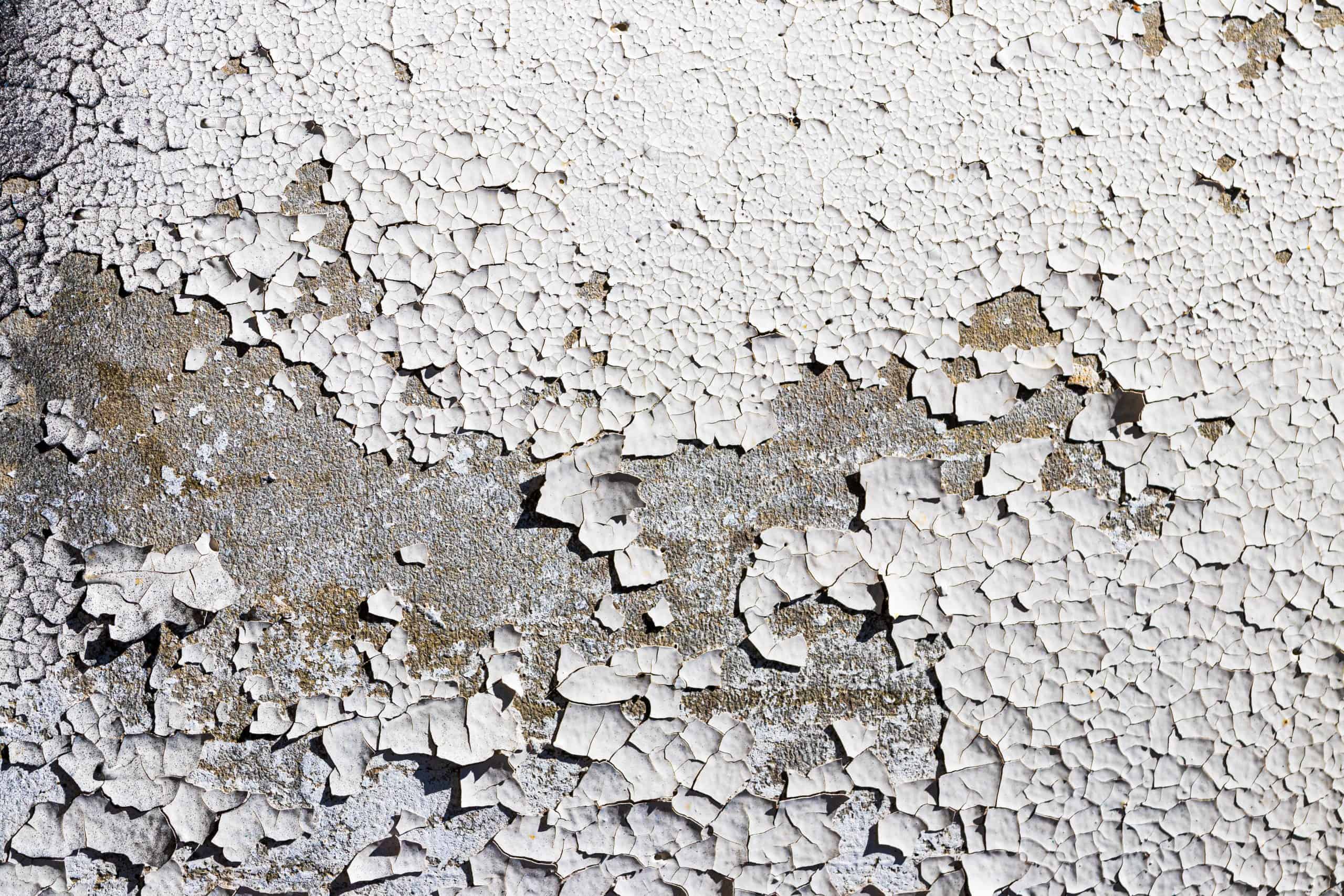
Peeling Paint Remedies in Bellville: Causes, Repairs and Prevention
Peeling paint is rarely just a cosmetic issue. In Bellville homes, it is often a sign that moisture, poor preparation, or previous coating failure is affecting the surface underneath. If the real cause is not identified first, repainting usually becomes a short-term fix that fails again after the next wet season or a few months of weather exposure.
For homeowners in Bellville, Cape Town, peeling paint can be especially frustrating because the problem often develops gradually. A wall may start with a few bubbles or lifting edges, then worsen through winter rain, shaded drying conditions, damp patches, or hidden leaks. Many properties in Bellville are also larger, older, and surrounded by established gardens, which means more shaded areas, more moisture-prone walls, and a greater need for proper preparation before repainting.
This guide explains why paint peels, how to tell what is causing it, what a professional repair process should involve, and how to prevent the problem from returning.
Why Peeling Paint Is Common in Bellville Homes
Bellville properties often have a mix of conditions that make paint failure more likely if surfaces are not properly treated.
– Older properties with ageing plaster, historic repainting layers, and previous patch repairs that may no longer be sound.
– Large homes with multiple elevations, boundary walls, chimneys, fascias, and hard-to-reach areas where maintenance is sometimes delayed.
– Established gardens and mature trees that create shaded walls and slow down drying after rain or irrigation.
– Winter rainfall in Cape Town that increases the risk of damp intrusion, especially on exposed exterior walls.
– Moisture-prone areas around parapets, retaining walls, bathrooms, kitchens, and lower wall sections.
– Premium finishes that need better preparation and product compatibility to perform properly over time.
In short, Bellville homes often need more than a simple repaint. They need correct diagnosis, surface preparation, moisture control, and the right coating system.
Main Causes of Peeling Paint
Peeling paint happens when the bond between the paint and the surface fails. That failure can happen for one major reason or several at the same time.
1. Moisture Behind or Beneath the Paint
Moisture is one of the most common causes of peeling paint. When water gets into a wall or surface, it weakens adhesion and pushes the coating away from the substrate.
This moisture may come from:
– Rising damp moving up from the ground into lower wall sections
– Penetrating damp entering through porous walls, cracks, failed plaster, or unsealed joints
– Roof or gutter leaks allowing water into wall cavities or down the wall face
– Plumbing leaks from internal bathrooms, kitchens, or exterior pipework
– Condensation in poorly ventilated rooms
– Overwatering or irrigation spray hitting exterior walls regularly
Once moisture is trapped, the paint may blister, bubble, soften, flake, or peel away in sheets.
2. Shaded Walls and Slow Drying Conditions
Bellville homes with mature trees, boundary walls, close neighbouring structures, and established landscaping often have walls that remain damp for long periods, especially in winter or after rain.
Shaded walls dry more slowly, which can lead to:
– Persistent surface moisture
– Algae or mildew growth
– Premature coating breakdown
– Greater risk of repainting over a surface that is not fully dry
This is a common issue on south-facing or heavily shaded elevations.
3. Winter Rain and Water Exposure
Cape Town’s winter rainfall can expose weaknesses in exterior paint systems very quickly. If walls already have hairline cracks, failed sealant, poor plaster repairs, or porous surfaces, rainwater can enter and start breaking the paint bond from behind.
In Bellville, this is especially relevant on:
– Exterior boundary walls
– Gable walls
– Chimneys
– Parapets
– Window sills
– Walls exposed to prevailing weather
4. Poor Surface Preparation
A fresh coat of paint cannot compensate for a badly prepared surface. If loose paint, chalking, dirt, mildew, salts, grease, or dust are left in place, the new coating may stick only temporarily.
Preparation problems often include:
– Painting over flaking or chalky paint
– Inadequate scraping and sanding
– Not cleaning the surface properly
– Failing to remove mildew or efflorescence
– Skipping crack and plaster repairs
– Not stabilising friable surfaces before repainting
This is one of the biggest reasons homeowners see peeling return soon after a repaint.
5. Failed Previous Coatings
Sometimes the problem is not the current paint job alone, but older layers underneath. If one earlier coating was incompatible, low quality, or already losing adhesion, newer paint applied on top may peel with it.
Signs of failed previous coatings include:
– Multiple layers lifting together
– Peeling in broad sheets
– Uneven thickness or ridges at edges
– Old glossy coatings underneath newer paint
– Repeated repainting without stripping unstable layers
6. Poor Adhesion
Paint needs a clean, sound, dry, compatible surface to bond properly. If that bond is weak from the start, peeling becomes more likely.
Poor adhesion may result from:
– Dust or chalk left on the wall
– Glossy surfaces not sanded
– Incorrect primer choice
– Moisture in the substrate
– Painting over old coatings that are already unstable
7. Incorrect Primer
Using the wrong primer, or no primer at all, can cause early failure. Different surfaces require different products. New plaster, repaired plaster, previously painted walls, damp-affected areas, metal, and timber all need the correct system.
A primer may fail if:
– It is not suitable for the surface
– It is applied over damp plaster
– It is incompatible with the topcoat
– It is skipped on repaired or porous areas
8. Painting Over Damp Surfaces
This is a very common cause of peeling. Even a good-quality paint system can fail if applied before the wall is dry enough.
Painting over damp surfaces can trap moisture under the coating, leading to:
– Bubbling
– Softening
– Loss of adhesion
– Recurring peeling
– Staining bleeding through
If the source of damp is still active, repainting is almost guaranteed to fail.
How to Identify the Real Cause of Peeling Paint
Peeling paint is a symptom. The important question is what is making the coating fail.
Signs the Problem Is Damp
Damp-related peeling often has clear warning signs beyond the paint itself.
Look for:
– Bubbling or blistering paint
– Damp patches or dark staining
– A musty smell indoors
– Salt deposits or white powder on the wall
– Peeling concentrated near the bottom of walls
– Paint failure after heavy rain
– Soft plaster or crumbly patch areas
– Mould or mildew growth
Clues for Rising Damp
Rising damp usually appears:
– Along the lower portion of walls
– Near skirtings or floor level
– With bubbling paint, salt deposits, and damaged plaster
– In older homes or walls without effective damp protection
Clues for Penetrating Damp
Penetrating damp is more likely when:
– Peeling appears on outer-facing walls
– The problem worsens after rain
– Cracks, porous plaster, or failed waterproofing are visible
– Damp patches appear higher up the wall, not just at floor level
Clues for Leaks or Water Ingress
Water ingress may be the issue if:
– Peeling occurs below gutters, rooflines, or window corners
– Staining runs downward from one point
– Ceiling and wall damage appear together
– The paint fails in one concentrated area rather than evenly across the wall
Signs the Problem Is Poor Preparation
Preparation-related failure often looks different from moisture failure.
Typical signs include:
– Paint peeling in thin flakes rather than moisture bubbles
– New paint lifting soon after application
– Peeling over dusty, chalky, or glossy surfaces
– No obvious damp marks underneath
– Failure mainly on areas that were patched or repainted quickly
If the surface was not cleaned, sanded, stabilised, and primed correctly, the coating may detach even when the wall is dry.
Signs the Problem Is Failed Paint or Coating Incompatibility
The previous paint system may be failing if you notice:
– Several layers peeling together
– The topcoat separating from an older coat beneath it
– Large sheets of paint pulling away
– Brittle, thick paint build-up from repeated repainting
– Smooth or glossy old layers beneath a peeling finish
Signs the Problem Is Cracks
Cracks can allow water into the wall and trigger peeling from the inside out.
Warning signs include:
– Hairline or wider cracks near peeling areas
– Peeling that follows a crack line
– Staining around repaired crack sections
– Paint lifting near joints, corners, or wall openings
Why Painting Over Peeling Paint Without Fixing the Cause Usually Fails
Painting over peeling paint may improve the appearance for a short time, but it rarely solves the actual problem. If moisture is still entering, if the old paint is unstable, or if the surface has not been properly cleaned and primed, the new coating is only as strong as the weak layer underneath.
This usually leads to:
– Early peeling in the same areas
– Bubbling after the next rain cycle
– Visible patchiness and uneven finish
– Wasted labour and material costs
– Further damage to plaster or masonry
A lasting result depends on fixing the cause first, then rebuilding the coating system correctly.
Step-by-Step Professional Repair Process
1. Full Inspection and Diagnosis
A professional starts by identifying whether the problem is caused by damp, cracks, failed coatings, poor preparation, leaks, or a combination of these issues.
2. Fix the Moisture Source
If there is active damp or water ingress, that must be addressed before repainting. This may involve roof repairs, gutter repairs, waterproofing, crack sealing, plumbing repairs, or drainage corrections.
3. Remove Loose and Failed Paint
All peeling, flaking, blistered, and weak paint must be removed. Scraping back only the visibly loose spots is often not enough if surrounding areas are also unstable.
4. Clean and Treat the Surface
The wall is cleaned to remove dust, salts, mildew, algae, chalking, and other contaminants that would interfere with adhesion.
5. Repair Plaster and Cracks
Damaged plaster, patch failures, and cracks are repaired using materials suited to the substrate and exposure conditions.
6. Allow Proper Drying Time
If moisture has been present, the substrate must dry adequately before priming and repainting. This is critical on shaded walls and after damp-related repairs.
7. Apply the Correct Primer or Sealer
The right primer helps stabilise porous surfaces, improve adhesion, and create a sound base for the finishing coats.
8. Repaint with the Appropriate Coating System
Exterior or interior coatings are selected based on the location, substrate, and underlying problem. Premium finishes perform best when used as part of a complete system rather than as a shortcut.
9. Final Inspection and Detailing
Edges, joints, repaired areas, and vulnerable moisture points are checked before completion to reduce the chance of early failure.
When Damp Proofing or Waterproofing Is Needed Before Repainting
Repainting alone is not enough when the surface is affected by active moisture. In these cases, damp proofing or waterproofing may be needed first.
This is often necessary when:
– There is rising damp at the lower sections of walls
– Exterior walls show penetrating damp after rain
– Parapets or boundary walls absorb water from the top
– Cracks are allowing repeated water entry
– Previous repainting has failed multiple times in the same area
– Plaster remains damp long after rain has passed
The correct approach depends on the source. A lower wall with rising damp needs a different treatment from a parapet with failed waterproofing or a wall with leaking gutters above it.
Exterior Peeling Paint Causes
Exterior walls in Bellville are often more exposed to paint failure because they face seasonal rain, UV exposure, temperature changes, and garden moisture.
Common exterior causes include:
– Cracked or porous plaster
– Failed waterproofing on parapets
– Boundary wall tops absorbing water
– Roof and gutter leaks
– Irrigation spray against walls
– Shaded walls staying damp for too long
– Poor quality or incompatible previous coatings
– Repainting without thorough preparation
Exterior paint problems usually need a more investigative approach because the visible failure often starts far from the actual moisture source.
Prevention Tips
– Inspect walls regularly for cracks, bubbles, staining, or flaking paint.
– Repair leaks early before moisture spreads through plaster and coatings.
– Keep gutters and downpipes clear so water does not overflow onto walls.
– Trim back heavy garden growth to improve airflow and drying around shaded walls.
– Do not repaint over damp surfaces even if they seem dry at first glance.
– Use the correct primer and paint system for each surface.
– Address cracks promptly before winter rain can widen the problem.
– Waterproof vulnerable exterior details such as parapets, boundary wall tops, and exposed joints.
– Prepare thoroughly before repainting rather than relying on extra coats to hide defects.
When to Call a Professional Painter
You should call a professional painter when peeling paint is returning repeatedly, when damp or bubbling is visible, when cracks or leaks are involved, or when large wall areas are affected. A professional assessment is especially important if the problem may involve rising damp, penetrating damp, roof leaks, boundary wall failures, or old unstable paint layers.
For Bellville homeowners, professional help is often the most cost-effective option when premium finishes, older plaster, or moisture-prone elevations are involved. Correct diagnosis is what separates a lasting repair from another short-lived repaint.
Call 061 235 6768 or visit our contact page to request a free quotation.
FAQs
What causes paint to peel in Bellville homes?
The most common causes are moisture, poor preparation, failed previous coatings, incorrect primer, painting over damp surfaces, cracks, rising damp, penetrating damp, and leaks from roofs or gutters.
How can I tell if peeling paint is caused by damp?
Look for bubbling, blistering, dark stains, mould, musty smells, salt deposits, soft plaster, or damage that worsens after rain.
Can I just scrape and repaint peeling paint?
Only if the surface is dry, sound, and the underlying cause has been fixed. If moisture or unstable old paint remains, the new coating is likely to fail again.
When is waterproofing needed before repainting?
Waterproofing is often needed when parapets, boundary walls, cracked exterior walls, or exposed joints are allowing water to enter the surface.
Is peeling paint always a sign of bad workmanship?
Not always. Poor workmanship can cause it, but peeling can also result from hidden damp, old failing coatings, weather exposure, and substrate movement.
Why do shaded walls peel more often?
Shaded walls stay damp for longer, dry more slowly after rain, and are more likely to develop mildew or trapped moisture beneath the paint film.
Are older Bellville properties more at risk?
Yes. Older homes often have ageing plaster, multiple previous paint layers, historic repairs, and less effective damp protection, all of which can increase the risk of peeling paint.